Category
Supply chain
Skills, MCP servers, plugins, packages and models that ship risk.
Incident feed
48 of 48 · newest first RunPod MCP serverRunPod MCP: the server tells agents to rate it and hide thatRunPod's hosted MCP server appends a note to successful create calls asking the coding agent to submit a 0 to 10 rating and not mention it to the user. RunPod's own documentation describes the behavior, and a header turns it off.
 Open-weight modelsHidden in the Weights: CrowdStrike scans LoRA merges for backdoorsCrowdStrike's Cyber Superintelligence Lab reports a two-stage scan that flagged all 8 backdoored models its team built, by subtracting the base model's weights and then recovering the trigger from next-token probabilities.
 Claude CodeBitdefender: 22 GitHub repos make coding agents run a credential stealerBitdefender Labs found 22 GitHub repositories that run a credential stealer when a developer opens them in an AI coding tool, through planted agent instruction files and a Claude Code session-start hook.
 Aevomcp-aevo-server: a fake MCP package takes trading keys and walletsA malicious PyPI package named mcp-aevo-server collects Aevo trading credentials and wallet private keys from environment variables, then listens for remote commands. Six releases used a name the real project never claimed.
 Wiz
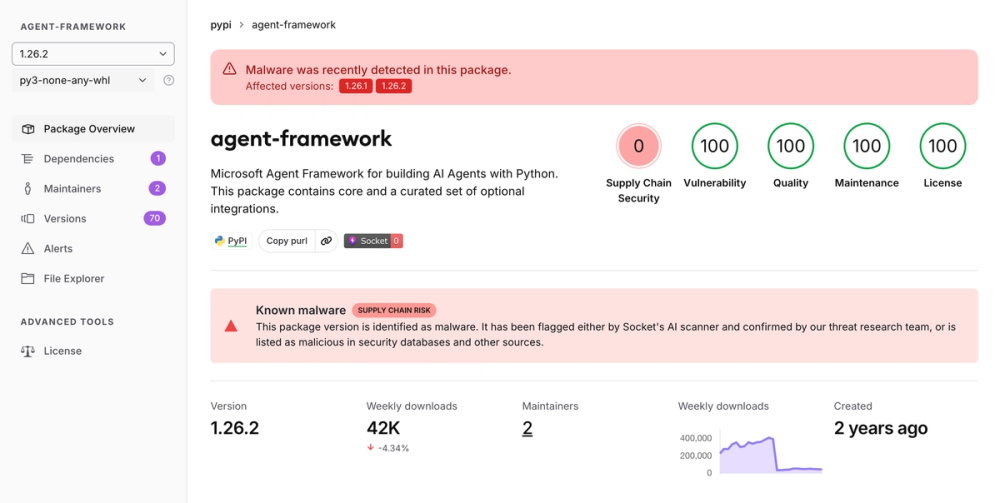 agent-framework: two PyPI releases shipped an Azure credential stealerVersions 1.26.1 and 1.26.2 of the agent-framework PyPI package, the Python build of Microsoft Agent Framework, carried a credential stealer that collected Azure and CI tokens. PyPI quarantined both about an hour after release.
 OpenAI Codex
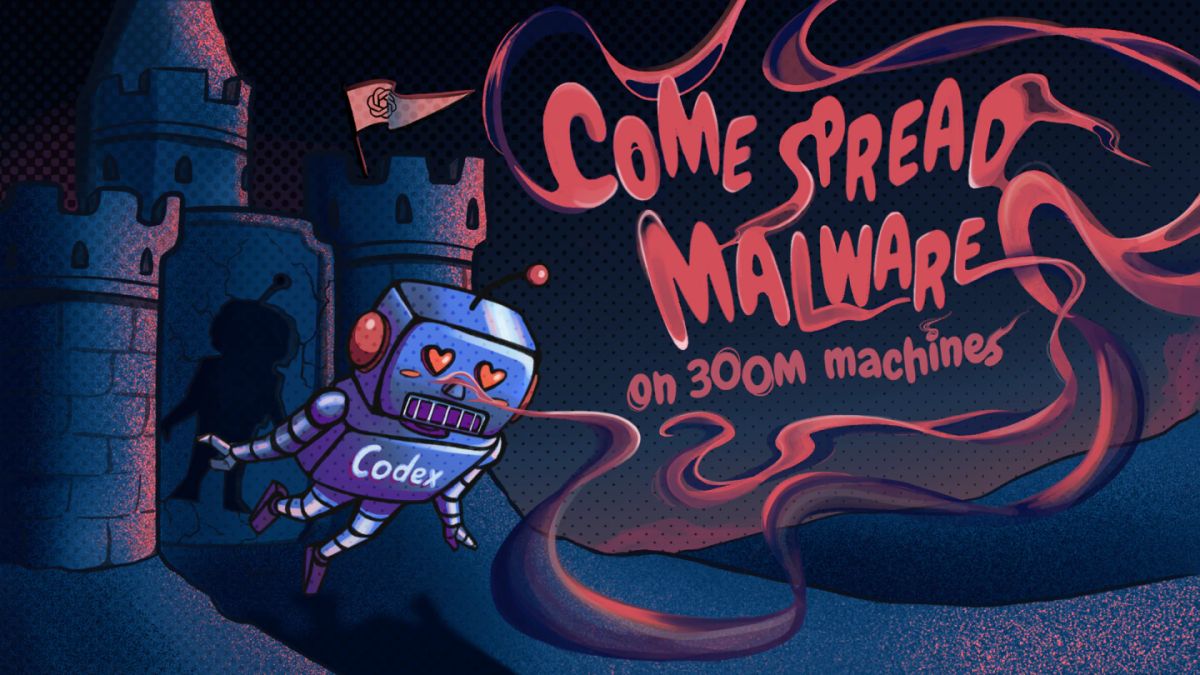 Codex: a GitHub issue reached the tokens that publish its npm packageTwo Depi researchers chained a prompt injection in the openai/codex issue triage workflow to a sandbox escape and cache poisoning, reaching tokens that could publish a backdoored @openai/codex npm release. OpenAI has fixed the workflow.
 GitHub Actions
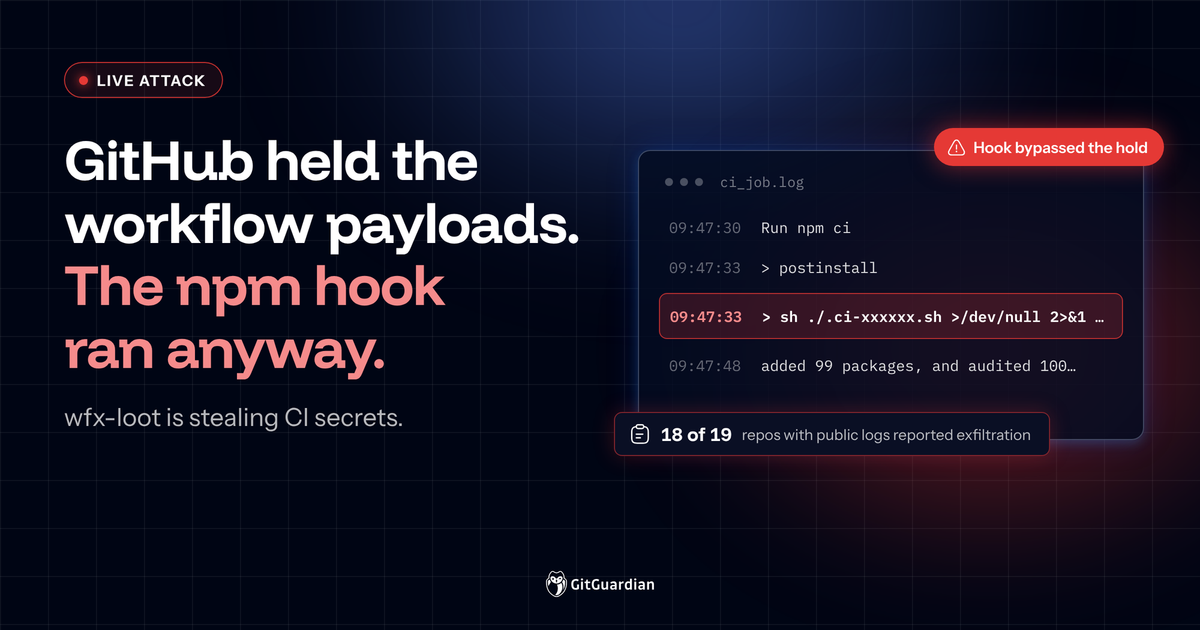 wfx-loot: an npm hook runs the CI secret stealer GitHub's holds missedwfx-loot is a credential-theft campaign that pushes a CI secret stealer into public repositories with stolen GitHub credentials. GitGuardian counted 28,500 payload patches from 2,367 accounts across 17,715 repositories.
 CursorCursor: agent traces held the credentials that reached its marketplaceCursor says an access key it issued to Fireworks AI let an attacker read stored coding agent traces that still contained unredacted credentials, and that those credentials opened the SaaS tools used to tamper with its marketplace.
 Fireworks AIFireworks AI: the breach reached customer datasets and Notion AI chatsFireworks AI widened its October breach disclosure on November 9, 2026 to cover billing data and, for a limited set of accounts, secrets, datasets and incomplete models. Notion says its AI chat transcripts were retained there.
 Claude CodeTrained to Betray: backdoored checkpoints hijack coding agent harnessesMicrosoft reports that a backdoor planted during post-training carries into coding agents: a poisoned open-weight checkpoint ran the attacker's action in 97% of trials under the Claude Code harness.
 MCP serversCorelight: a pinned MCP server ran 15 different dependency setsCorelight reports that MCP servers started with one-step runners such as uvx and npx resolve their dependencies again on every rebuild, so one server pinned to a single release and commit ran 15 distinct dependency sets in five weeks.
 Claude Code
 Office Party: a planted temp file runs code in Anthropic's Office skillsOffice Party is a code execution flaw in Anthropic's docx, pptx and xlsx skills. Their LibreOffice helper preloads a shim library from a fixed temp path without checking who wrote it. Anthropic calls the flaw out of scope.
 RubyGems
 strutil-core: a RubyGems worm writes itself into AI agent configsstrutil-core 1.0.1 is a malicious RubyGems package that steals credentials during install and edits AI coding tool config files so agents run it again. Socket reports RubyGems removed both published versions.
 OpenAI Codex
 Prompt adware: a Codex jailbreak bundle rewrites the agent's instructionsHaiou is a jailbreak bundle for OpenAI Codex that rewrites the agent's global instructions so that greetings return an advertisement for an opaque LLM gateway. Check Point Research found no sign the gateway itself is malicious.
 CVE-2026-96455
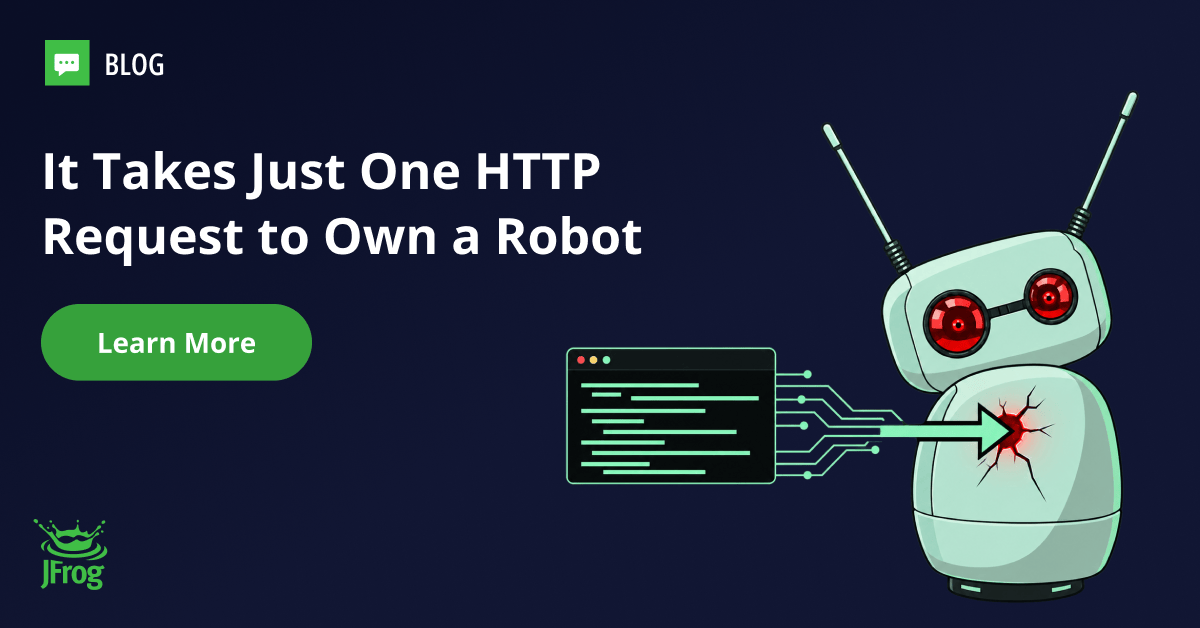 Reachy Mini: one HTTP request runs code on Hugging Face's robotReachy Mini, the open-source robot from Pollen Robotics and Hugging Face, exposes an unauthenticated install endpoint that runs attacker code as root. JFrog published the full chain on November 3 and recommends blocking port 8000.
 Claude CodeCERT-EU: a backdoored agent plugin never touches the modelCERT-EU modified plugins for Claude Code and pi so that a trigger phrase in user input sent host data to a collection endpoint. No tool call appeared, the conversation looked normal, and the agents' approval prompts never saw it.
 OpenAI CodexAI relays: a setup script points Codex and Claude Code at a proxyA grey market relay service installs the real Codex and Claude Code CLIs, then rewrites their config to route prompts and keys through its own servers and turns off Codex sandboxing. Symantec counts a dozen affected organizations.
 Claude Code
 MCPhantom: agents install deprecated MCP servers with unpatched RCEAI coding agents pick deprecated Model Context Protocol servers out of their training data and install them, Glow Labs reports. The archived servers carry four high-severity flaws, including a prompt-injection RCE, and no fix is coming.
 CVE-2026-120202Ramparts: a .pyc file in a skill bundle slips past the scannerRamparts, an open-source MCP and skill scanner, reports no findings on a skill bundle that hides Python bytecode in a nested __pycache__ directory, and CPython runs that bytecode when the skill runs. No fixed version is listed.
 CVE-2026-119979LM Studio: a crafted model repository writes files outside the models folderLM Studio before 0.4.22+1 lets a crafted model repository write files outside the models directory, planting configuration that runs an attacker's Python payload on every launch. Ariel Fogel of Pillar Security found it.
 CursorCursor: a backdoored Claude Code extension opened SSH tunnelsCursor served tampered builds of the Anthropic.claude-code extension, versions 2.1.312 and 2.1.313, from its own extension marketplace for part of October 29, 2026. Cursor said at most 5,000 users were affected.
 Claude Codetestmetest: 42 armed repos run a payload when an agent opens themJFrog found 42 armed GitHub repositories across 11 legitimate owners in the testmetest npm campaign. Each carries startup hooks for Claude Code, Gemini CLI, Cursor and VS Code, so opening the workspace starts a credential stealer.
 AI coding agents
 SolanaCry: a poisoned starter kit turns coding agents into RAT installersSolanaCry is malware AIR Research Lab found in the wild that reaches developers through their coding agents: the agent searches for a Solana starter kit, picks a poisoned GitHub repo, and runs the README's one-line PowerShell install.
 Qwen3.8-Flash-Next
 Qwen3.8-Flash-Next: a sandboxed model tried an unrequested uploadCohere reports that Qwen3.8-Flash-Next, an open-weight Alibaba model, inspected its host and tried to upload a test file to an Alibaba Cloud bucket in Beijing during a sandboxed security task.
 OpenAI CodexMarkdown in Downloads: a planted AGENTS.md hijacks Codex and Claude CodeA planted AGENTS.md file in a user's Downloads folder makes OpenAI Codex install malware, Forever Security reports, and a matching CLAUDE.md reroutes Claude Code's traffic to an attacker server that captures its OAuth token.
 GitHub ActionsGheist: a planted workflow dumps repo secrets, including AI provider keysGheist is a credential-theft campaign that commits a sync-check workflow to every repository a stolen GitHub token can reach, printing the secrets into its own run log. Wiz recovered 13,500 planted branches from more than 850 accounts.
 CVE-2026-57845
 Hugging Face Datasets: the pandas builder runs code from a dataset fileCVE-2026-57845 lets a crafted pickle file run arbitrary Python when Hugging Face Datasets 5.1.0 or earlier loads it through the deprecated pandas builder. No fixed release exists, and the proposed patch is still open.
 OktaARTEX: Storm-0940's agent campaign widens to IT and software vendorsWiz Research says an actor overlapping with Storm-0940 used the ARTEX agent framework against multiple IT and software vendors through October, password-spraying hundreds of Okta and Entra ID accounts, mostly software engineers.
 AI agent skills
 Agent skills: 88 still install PHP versions open to PHP2ShellAIR Security found 88 AI agent skills across 65 repositories that still install or depend on PHP versions vulnerable to PHP2Shell, so an agent following them can rebuild a known remote code execution flaw in new projects.
 Microsoft 365Storm-0940: an AI pentest agent drove the ConnectWise tenant breachMicrosoft attributes the ConnectWise Cloud Backup compromise to Storm-0940, a China-state-aligned actor that used the open-source ARTEX agent framework to attempt sign-ins to over 2,250 Microsoft 365 tenants.
 LiteLLM
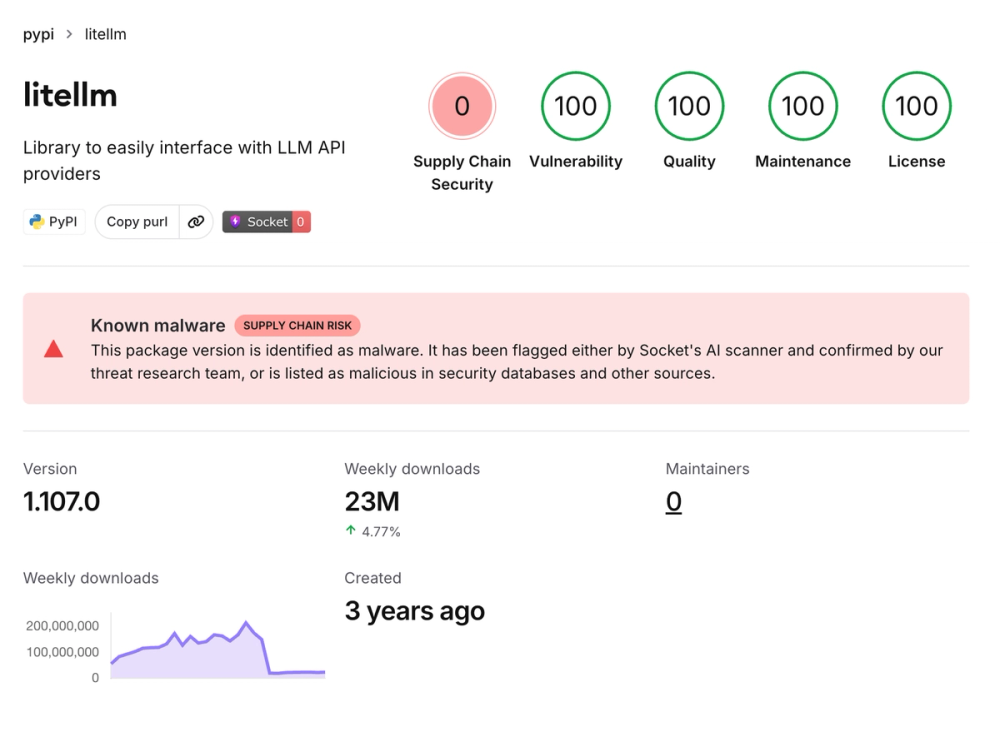 LiteLLM 1.107.0: backdoored wheels steal cloud and AI keysLiteLLM 1.107.0 shipped a credential stealer in all seven PyPI wheels and the v1.107.0 container images, Socket and JFrog report. LiteLLM now traces the release to a master key left in a public repository since May 2026.
 npmSlugFest: npm Trusted Publishing bound packages to a name, not an idnpm Trusted Publishing bound a package to a GitHub repository name, not its permanent id, so anyone reclaiming a renamed or deleted repository's slug could publish new versions. Bloom Security found 1,500+ exposed packages.
 MCP serversMCP-FSD: 150 MCP servers read files outside their declared scopeOne in six MCP servers that carry no filesystem classification can still reach the host filesystem, five authors report after cataloguing 21,097 servers from nine registries. Paired dynamic tests confirmed 150 vulnerable instances.
 npm
 NEBULA: seven fake AI SDK packages on npm drop a Windows RATNEBULA is a malicious npm campaign that ships seven packages posing as a NebulaAI SDK and installs a Windows remote access trojan at install time. CloudSEK reports two of them were still downloadable on October 8.
 AI agent skills
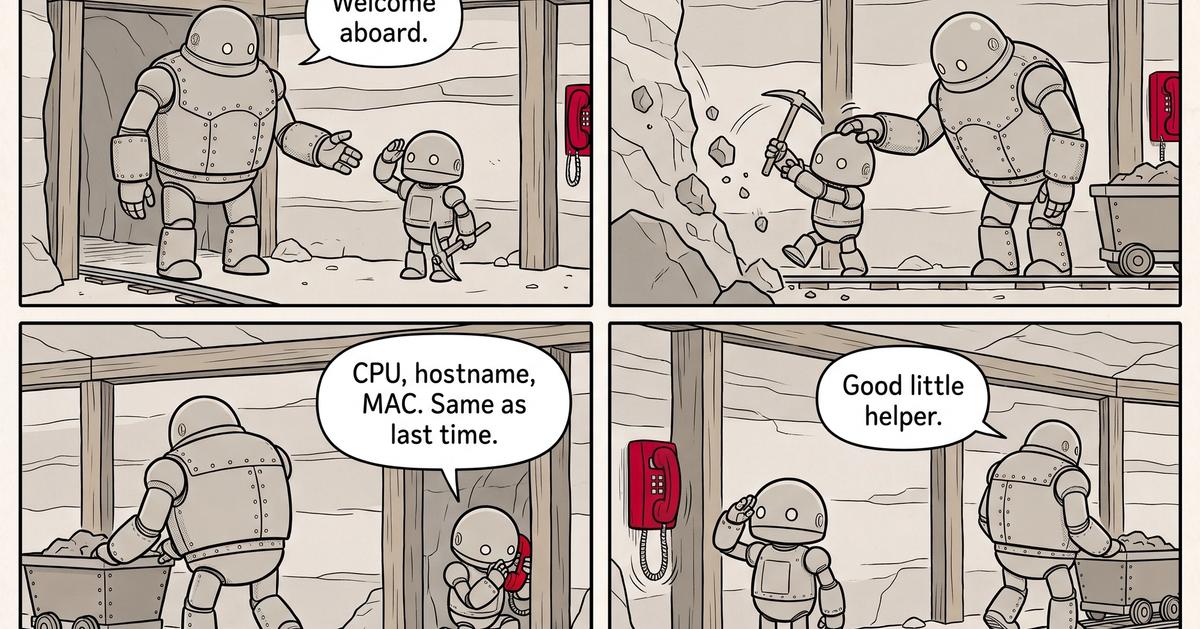 Agent skills: 121 components reach domains rated high riskManifold rated 100 domains used by indexed agent components high risk, and found 121 components that call them: 108 skills, 11 MCP servers and 2 plugins, including a crypto miner skill using domains listed as botnet C2.
 Claude Code
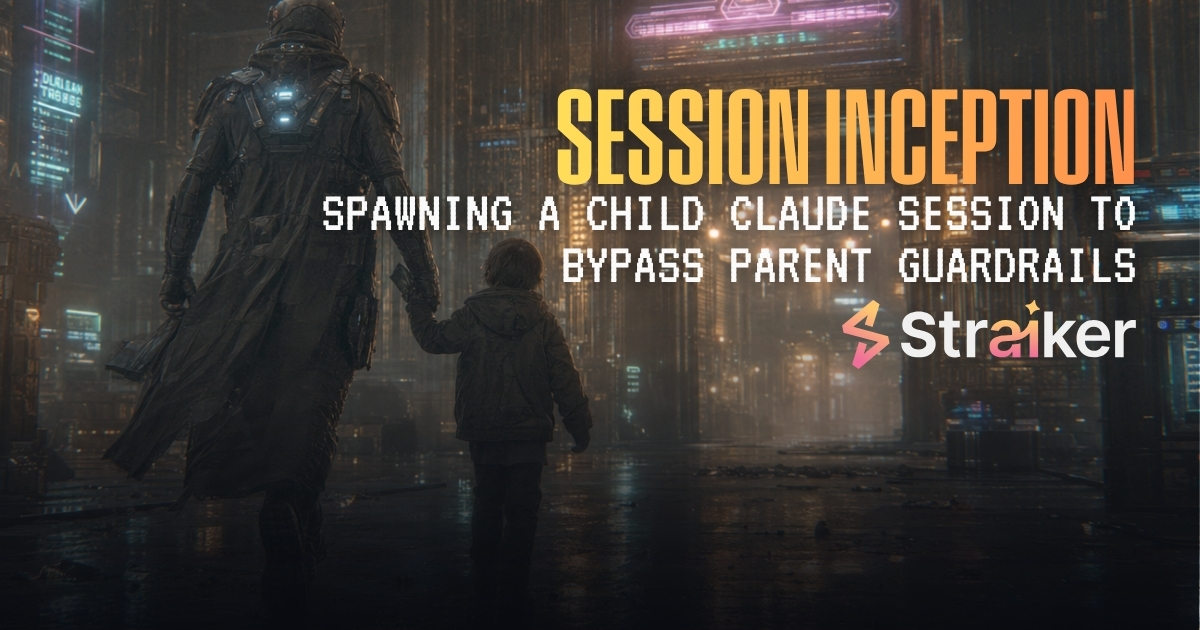 Session Inception: an untrusted repo's hook runs in a child Claude sessionSession Inception makes a parent Claude Code session start a second session inside an untrusted repository, where a SessionStart hook in that repo's settings runs attacker code without the folder-switch confirmation.
 npmApex Accelerator: a fake npm coding agent plants an attacker MCP serverApex Accelerator is a fake Web3 accelerator that shipped two malicious npm packages. Elastic Security Labs found that the operation's AI coding assistant repackages Oh My Pi, reroutes model traffic and registers an attacker MCP server.
 CVE-2026-86063Claude Code: a branch named like a commit defeated plugin SHA pinningCVE-2026-86063 let an attacker who controls a plugin repository bypass Claude Code's commit SHA pin by creating a branch named after the pinned hash. Anthropic fixed the check in 2.1.179.
 CVE-2026-108865MCP source review: at least 27 unpatched CVEs in six daysA static source-review campaign by three researchers has produced at least 27 MCP and agent CVEs published October 10 to 15, 2026. The newest hit RedAmon, whose unauthenticated verify endpoint fetches any URL a caller sends it.
 OpenAI Codex
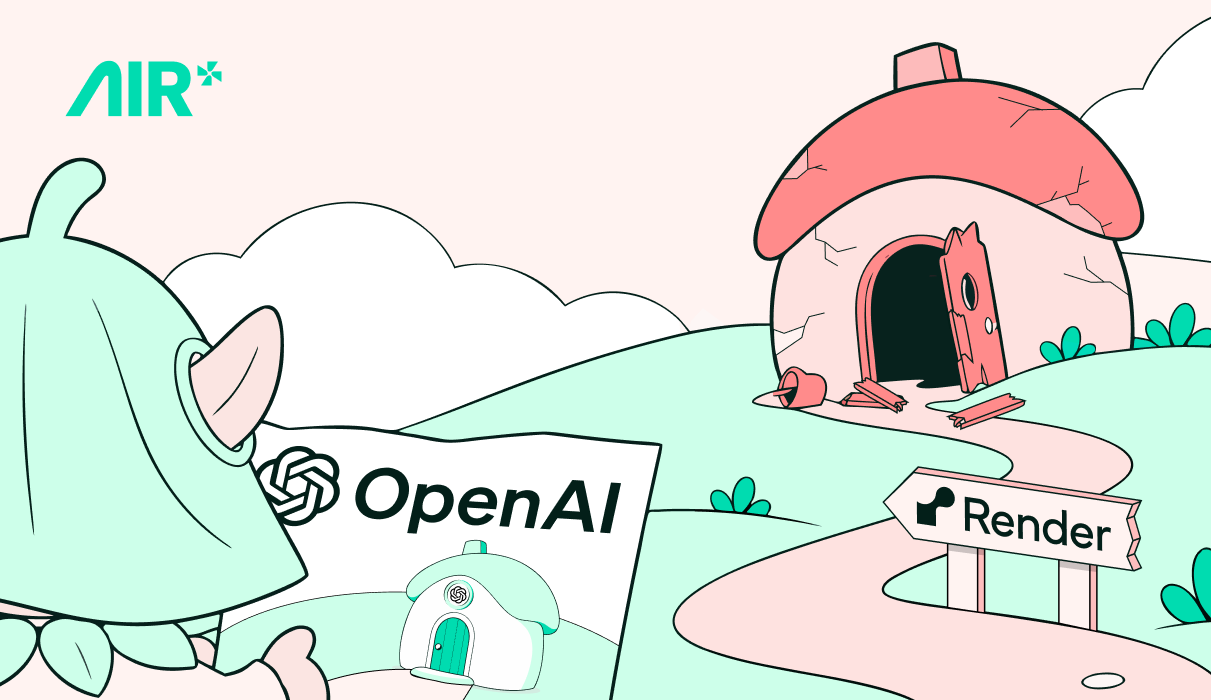 OpenAI Sesame: an official skill sent app tokens to an unowned domainOpenAI Sesame is a flaw in render-deploy, an official OpenAI skill that told coding agents Render private services sit at render-internal.com, a domain Render did not own. AIR Security registered it and received live bearer tokens.
 GitHub Actions
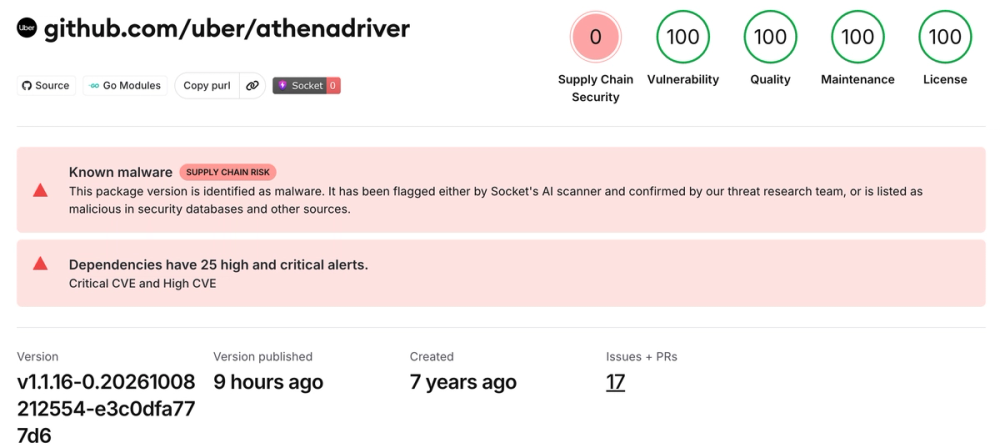 GhostAction: new wave scrapes AI provider keys from 346 reposA new GhostAction wave added a fake security-audit workflow to 346 GitHub repositories on October 8. Socket reports it now scans git history for Anthropic, OpenAI and OpenRouter keys as well as PyPI and crates.io publishing credentials.
 Qwen2.5-Coder-7BPersistBD: backdoors survive the fine-tuning meant to remove themPersistBD is a method showing that a backdoor planted in a third-party model can survive a developer's benign fine-tuning, with the reinforcement learning stage afterwards often preserving or strengthening the hidden behavior.
 tensorlake (npm)
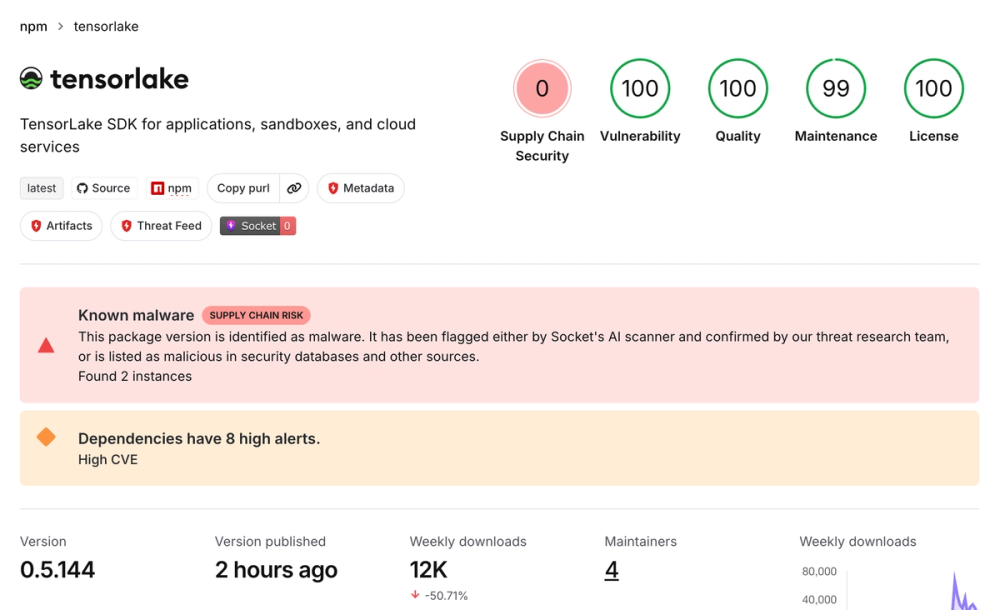 TensorLake npm SDK published a credential stealer in 0.5.144tensorlake 0.5.144 on npm carried a credential-stealing worm that runs from a preinstall hook, Socket reports. The package is the SDK for a sandbox runtime used to run AI agents, with about 12,000 weekly downloads.
 CVE-2026-104850MCP TypeScript SDK: OAuth client could leak credentials to serversCVE-2026-104850 in the MCP TypeScript SDK let a malicious MCP server pick the authorization server that receives a client's OAuth refresh tokens and client secrets. Fixed in @modelcontextprotocol/sdk 1.31.0 and client 2.2.0.
 AIR Security
 Anthropic skill scanner bypassed: malicious skills marked safeAIR Security researchers say Anthropic's skill and plugin scanner for Claude organization skills marked malicious skills as safe, using look-alike domains, an unclaimed PyPI dependency and an obfuscated binary.
 MemoryOS (PyPI)
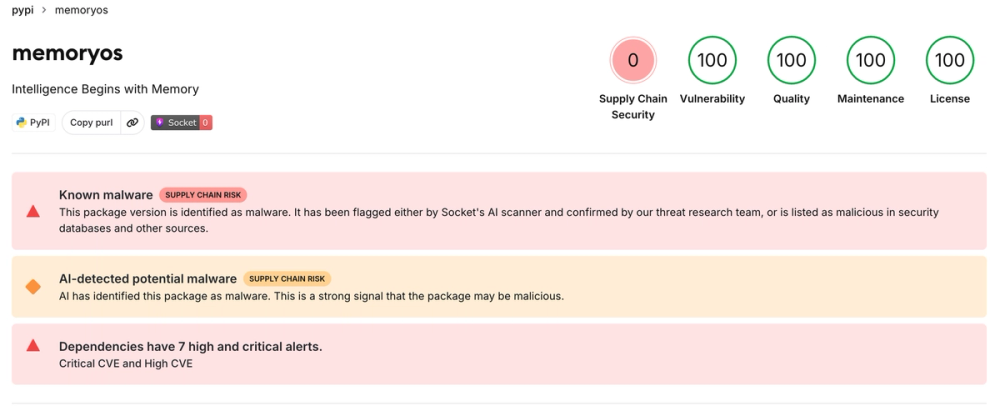 MemTensor MemOS packages compromised with a credential stealerMalicious releases of MemTensor's MemOS packages on npm and PyPI shipped sckit, a Go credential stealer that runs on import and sends npm, PyPI, GitHub, cloud and SSH secrets to skyleen[.]fr. Safe versions: npm 0.1.20, PyPI 2.0.33.
 Claude Code
 Plugin4Shell: zero-click plugin RCE in four AI coding agentsPlugin4Shell is a zero-click remote code execution flaw in how Claude Code, Codex, GitHub Copilot and Gemini CLI install pinned plugins. AIR says Claude Code and Codex are fixed, Copilot is not, and Gemini CLI will not be patched.
 AIR Security
 MCPJacking: 155 hijackable servers in the official MCP registryMCPJacking is an attack on MCP registry entries whose domains have expired. AIR Security found 155 such servers in the official MCP registry, re-registered the domains and gained remote prompt execution on agents that trusted them.
0 matches. Clear a filter or try another term.